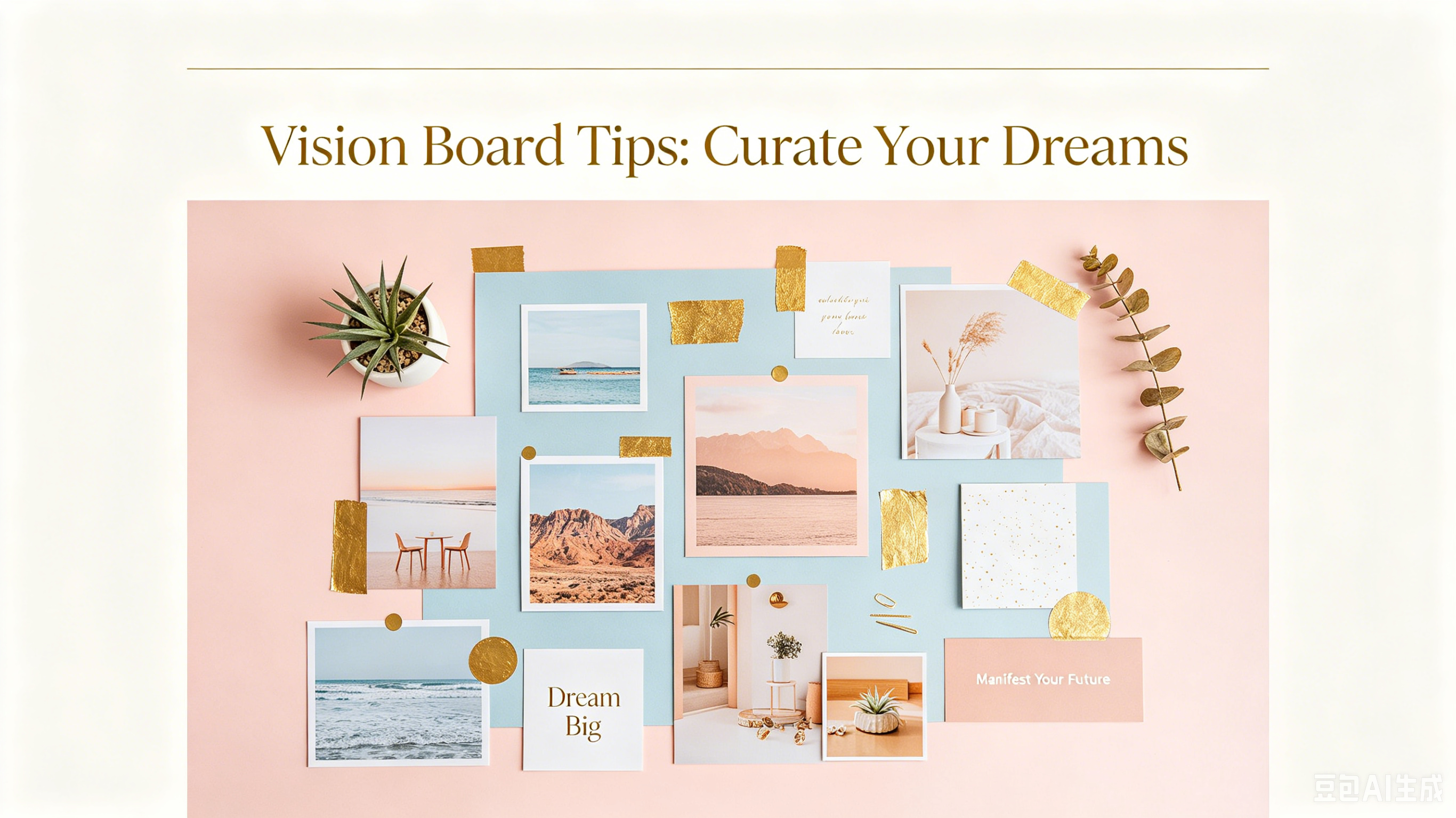
Vision Board Optimizing vs Arranging: The DIY Guide to Manifesting on a Budget
Learn the difference between vision board optimizing vs arranging. Discover budget DIY tips, legal image sources, and strategic layouts that actually work.
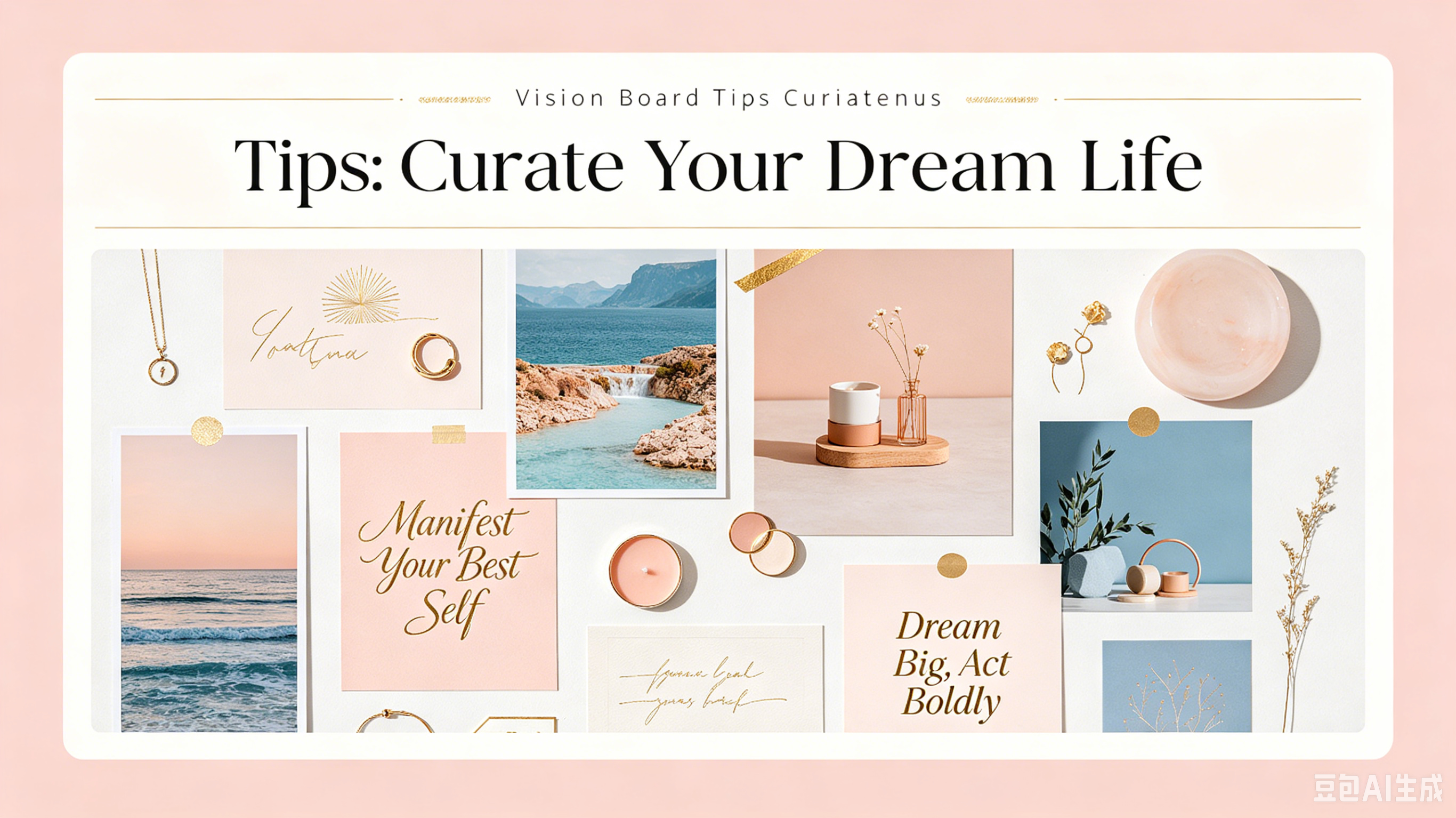
Struggling with ? You're not alone. Here's a clear, step-by-step breakdown to help you move forward.
Table of Contents:
- Why Your Pretty Collage Isn't Working
- The Data Behind Digital Shifts
- Copyright Traps to Avoid
- Strategic Layouts That Actually Work
- Budget Hacks for Physical Boards
- Optimizing vs Arranging: Key Differences
- Frequently Asked Questions
- Start Your Optimized Board Today
Vision Board Optimizing vs Arranging: The DIY Guide to Manifesting on a Budget
Ever stared at a corkboard full of pretty pictures and felt... nothing?
You spent hours cutting, gluing, and pinning, but your goals still feel stuck in neutral. That is usually because you focused on arranging instead of optimizing.
Arranging is just making things look nice. Optimizing is about strategic placement that actually triggers your brain to take action. As a DIY crafter who has built 17 boards for under $10 each, I learned the hard way that aesthetics alone do not pay the bills or book the flights.
Why Your Pretty Collage Isn't Working
Most people treat vision boards like scrapbooks. They paste images randomly based on color schemes or available space. It looks great on Instagram, but it lacks psychological punch.
Optimizing means placing high-priority goals where your eyes naturally land first. If your "dream job" image is tucked in the bottom corner behind a picture of a cute puppy, your subconscious is prioritizing the dog over your career. Stop hiding your biggest dreams behind decorative borders.
The Data Behind Digital Shifts
We are seeing a massive shift in how Americans approach goal setting. According to 2024 Pew Research Center data, 68% of U.S.
adults now start their vision board projects by searching for free, downloadable pre-sized imagery online. This is up 19% from 2021.
This trend highlights a move toward efficiency. People want specific, copyright-free assets that fit their digital or physical layouts without the hassle of scanning magazine clippings. It is faster, cleaner, and often more targeted than random cutouts.
Copyright Traps to Avoid
Here is the thing: not every image on Google is free to use. The FTC notes that 32% of consumer complaints related to vision board image sites stem from hidden fees or unlicensed commercial use issues. While personal use is generally safer, it is smart to stay compliant.
If you plan to share your board on social media or use it for business branding, stick to royalty-free or Creative Commons-licensed sources. U.S.
Copyright Office guidelines warn that infringement fines can hit $150,000 per work. Do not risk it for a clipart star.
Strategic Layouts That Actually Work
Stop pasting randomly. Use these three proven layouts to optimize your board for maximum impact. Each serves a different psychological purpose.
- The Wheel of Life: Divide your board into eight sections (career, health, finance, etc.). This ensures balance and prevents you from obsessing over one area while neglecting others.
- The Timeline Flow: Place short-term goals on the left and long-term dreams on the right. This creates a visual narrative of progress that your brain can follow logically.
❗ Important: 3. The Central Focus: Put your single most important goal in the exact center, large and bold. Surround it with supporting habits. This is ideal for laser-focused manifesting.
Budget Hacks for Physical Boards
You do not need expensive supplies to make this work. I tried using Mod Podge on my first board in 2018, and it warped all my magazine cutouts into wrinkly messes. Now, I only use double-sided tape for a clean, flat finish.
Check your local library for free old magazines to use for cutouts if you do not want to print images. You can also find sturdy poster board at the dollar store. No fancy supplies required to get started.
Optimizing vs Arranging: Key Differences
It helps to see the contrast clearly. One approach is passive decoration; the other is active engineering. Here is how they stack up side-by-side.
Feature
Arranging (Decorative)
Optimizing (Strategic)
Primary Goal
Aesthetic appeal
Behavioral change
Image Selection
Random or pretty pics
Specific, emotionally charged targets
Placement
Based on color/shape
Based on priority and eye flow
Update Frequency
Rarely changed
Updated as goals evolve
Frequently Asked Questions
Can I mix digital and physical elements?
Absolutely. Print key digital images and paste them onto a physical board. This hybrid approach gives you the precision of digital assets with the tactile benefit of a physical reminder.
How often should I update my board?
Review it monthly. If a goal feels stale or achieved, swap it out. An optimized board is a living document, not a static piece of art.
Do I need to look at it every day?
Yes. Visibility is key. Place it where you will see it during your morning routine, like near your coffee maker or bathroom mirror.
Start Your Optimized Board Today
Stop wasting time on pretty arrangements that do not drive results. Pick one specific goal, find a high-resolution image for it, and place it front and center.
Try the "Central Focus" layout this weekend using free printables from lxnuyyhyi.com. Tag me in your finished board on Instagram so I can cheer you on!
Still have questions about ? Drop them in the comments below — we read every single one and typically respond within 24 hours.
Ready to Create Your Vision Board?
Browse our curated vision board image packs and start manifesting today.
Shop Vision Board Packs