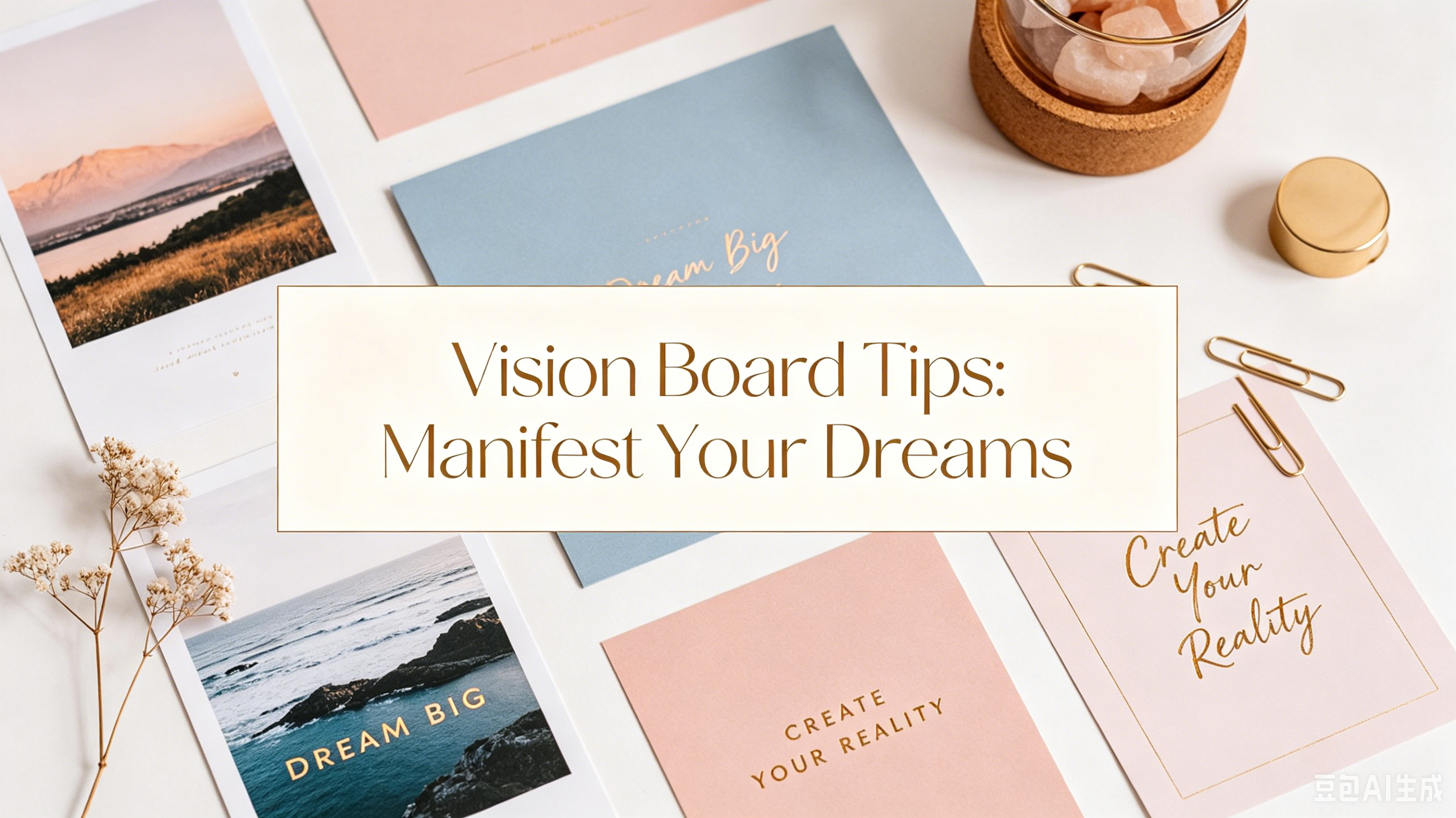
Strength Vision Art for Weightlifters: Build Your Mental Muscle
Discover how strength vision art for weightlifters boosts PRs. Learn to create effective visual boards, avoid copyright traps, and prime your mind for heavy lifts.

Before this guide: You're guessing your way through . After this guide: You'll have a clear, proven framework to follow.
Table of Contents:
- Why Visual Cues Beat Willpower Alone
- The Science Behind Strength Visualization
- Curating Your Strength Vision Board
- Avoiding Copyright Traps in Digital Art
- The key insight? Digital vs. Physical Vision Boards
- Real talk: Integrating Art Into Your Training Routine
- Frequently Asked Questions
Strength Vision Art for Weightlifters: Build Your Mental Muscle
You’ve logged the reps. You’ve tracked the macros. But something’s still missing from your PR attempts.
It’s not your form. It’s your focus. Strength vision art for weightlifters isn’t just pretty pictures on a wall; it’s a psychological trigger that primes your nervous system for heavy loads.
Why Visual Cues Beat Willpower Alone
Willpower is a finite resource. By 6 PM, after work and traffic, your decision-making battery is drained. Relying on grit alone to hit the gym is a losing strategy for most Americans.
Visual cues bypass that mental fatigue. When you see a specific image of your goal lift or physique, your brain activates the same neural pathways as if you were actually performing the action. This priming effect reduces the friction of starting.
- Reduces decision fatigue before workouts
- Activates mirror neurons for better motor learning
- Creates an emotional anchor to your long-term goals
The Science Behind Strength Visualization
Research shows that mental rehearsal improves physical performance. A study in the Journal of Sport and Exercise Psychology found that athletes who combined physical practice with visualization improved significantly more than those who only trained physically.
This isn’t woo-woo magic. It’s neuroplasticity.
Your brain doesn’t distinguish well between vividly imagined events and real ones. Seeing your ideal self lifts the mental weight before you touch the bar.
Curating Your Strength Vision Board
Don’t just pin random fitness models. That creates comparison, not motivation. Your board needs to be specific to your lifting journey and current capabilities.
Focus on process-oriented images alongside outcome-based ones. Include pictures of proper squat depth, not just someone looking shredded. Mix in images of meal prep setups and recovery tools like foam rollers.
1. Select 3-5 key lifts you want to master this quarter 2. Find images demonstrating perfect form for those lifts 3. Add photos of your own past PRs to build confidence 4. Include non-scale victories like better sleep or energy
Avoiding Copyright Traps in Digital Art
Here’s the deal: grabbing images from Google Images is a legal minefield. According to U.S.
Copyright Office guidelines, unlicensed use can carry fines up to $150,000 per work. That’s a heavy penalty for a home gym decoration.
Stick to royalty-free sources or Creative Commons licenses. Sites offering public domain assets keep you safe while you build your motivational toolkit. Always check the license terms before downloading high-res files for personal use.
Image Source Type
Cost
Risk Level
Google Images Search
Free
High (Copyright Infringement)
Stock Photo Sites (Paid)
$1-$50
Low (Licensed)
Creative Commons Repositories
Free
Low (Check Attribution)
Digital vs. Physical Vision Boards
Physical boards offer tactile engagement. Pinning a photo feels deliberate.
But digital boards win on accessibility. You can pull up your strength vision art on your phone right before a set.
Data from Pew Research Center shows 41% of Americans now use digital vision boards. This shift aligns with our mobile-first lives. Use apps that allow quick updates as your goals evolve from bulk to cut phases.
Hybrid approaches work best. Keep a small physical board in your gym bag for daily reminders. Maintain a comprehensive digital folder for long-term planning and detailed progress tracking.
Integrating Art Into Your Training Routine
Don’t let your board collect dust. Make it part of your pre-workout ritual. Spend 60 seconds reviewing your top three visual goals before you warm up.
This practice anchors your intent. It shifts your mindset from "I have to train" to "I get to achieve." Over time, this subtle shift compounds into consistent attendance and higher intensity sessions.
Update your visuals quarterly. As you hit new PRs, replace old images with new challenges.
Stagnant visuals lead to stagnant progress. Keep the imagery fresh and slightly out of reach to maintain drive.
Frequently Asked Questions
Can vision boards really help me lift heavier?
Yes, by priming your nervous system. Visualization activates motor cortex areas, improving neural efficiency and confidence under heavy loads.
Where do I find safe images for my board?
⚠️ Warning: Use reputable stock sites or Creative Commons repositories. Avoid random Google searches to prevent copyright infringement issues.
How often should I update my strength vision art?
Refresh it every 8-12 weeks. Align updates with your training mesocycles to keep goals relevant and motivating.
Is digital better than physical for weightlifters?
Digital offers convenience for pre-set reviews. Physical provides tactile reinforcement. Many lifters benefit from using both formats strategically.
Print out one key lift goal today. Tape it to your water bottle. Watch how that simple visual cue changes your next session.
From guessing to knowing — that's the transformation. Pro tip: teach what you just learned to someone else this week. That's how you make it stick.
Ready to Create Your Vision Board?
Browse our curated vision board image packs and start manifesting today.
Shop Vision Board Packs